Massachusetts Nears One Million Confirmed COVID-19 Cases Since Pandemic Start

Another 12,983 people in Massachusetts were newly confirmed to have COVID-19 over the Christmas holiday weekend, the Department of Public Health reported Monday. With a total of 993,038 confirmed COVID-19 cases identified since February 2020 and thousands of new cases reported daily over recent weeks, the state is on track to soon surpass a total of 1 million cumulative confirmed cases. It’s a milestone that will mean roughly one out of seven Massachusetts residents has tested positive at some point during the pandemic. The DPH reports three days of COVID-19 data on Mondays—representing case counts from Friday, Saturday and Sunday—and the three-day total of 12,983 new confirmed cases comes after Friday marked a new single-day high with 10,040 infections, breaking records set earlier that week. Twenty-five newly reported deaths bring the number of people in Massachusetts who have died of confirmed COVID-19 cases to 19,629, with another 446 dead from probable cases.

DiZoglio Bill that Would Prevent Sales Callers From Hiding Their True Identities to be Heard Tuesday

“I’m calling about your National Grid Electric bill.”

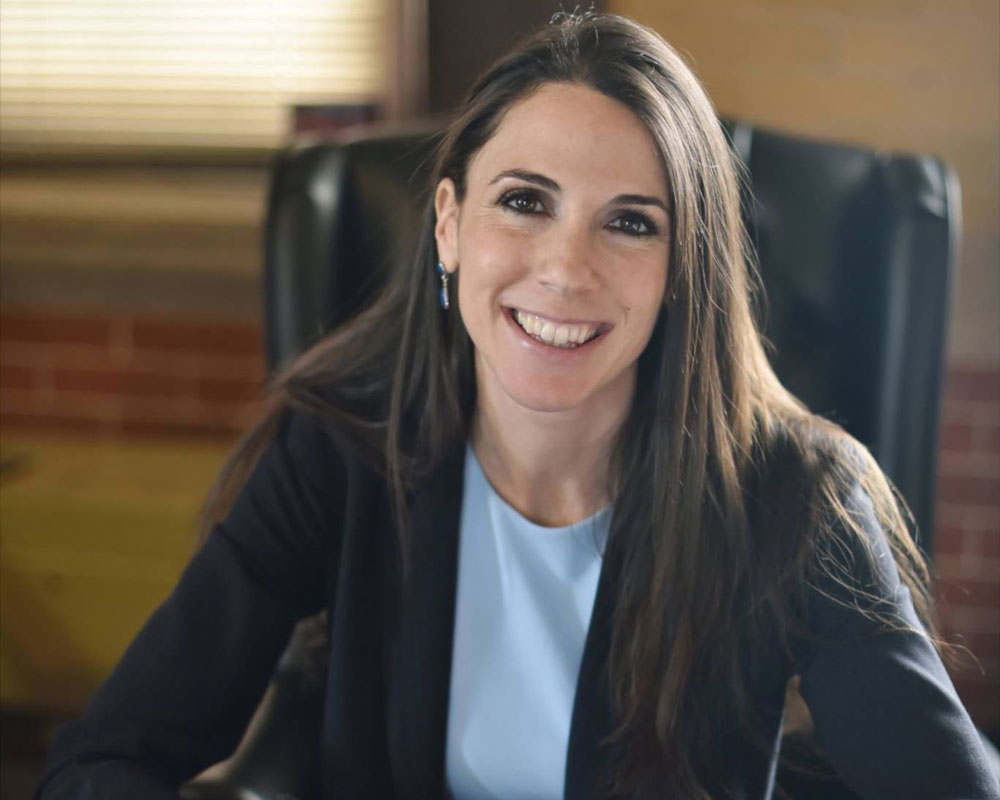
Residents receiving telephone calls like this might be helped by a proposed law, sponsored by Sen. Diana DiZoglio, that would prohibit rogue companies from changing the name or telephone number on caller identification displays. The bill is up for a hearing Tuesday afternoon by the Joint Committee on Telecommunications, Utilities and Energy. It would add language to an existing law that prevents salespeople from blocking their identification on consumer devices. The bill in the Massachusetts legislature is also sponsored in the House by Rep. Adam J. Scanlon of North Attleborough. The Committee, chaired by Sen. Michael J. Barrett and Rep. Jeffrey N. Roy, is also having hearings on nearly 30 bills related to either decarbonization or telecommunications.

Sen. DiZoglio and Gubernatorial Contender Diehl Call on Baker to Address Unemployment Insurance

Gov. Charlie Baker has come under fire from state Sen. Diana DiZoglio and Geoff Diehl, the man vying to be Baker’s successor, over issues relating to employers’ unemployment insurance costs. The actions come on the heels of the state House and Senate assigning $500 million from the federal American Rescue Plan Act money to the unemployment insurance trust fund. DiZoglio, who is a candidate for state auditor, called on the Baker Administration to provide greater transparency around how much money is in the unemployment fund. “Our small businesses deserve answers,” said DiZoglio. “This administration must provide a full accounting of overpayments and fraud so that the burden does not continue to fall back on our mom and pop shops.

Gov. Baker and Lt. Gov. Polito Both Pass on 2022 Gubernatorial Runs; Inform Cabinet Today

Gov. Charlie Baker, a two-term Republican who at his peak was one of the most popular governors in the country, will not seek a third term, throwing wide open the 2022 race for the state’s top political office after close to two years of managing through a global pandemic. Lt. Gov. Karyn Polito, who was widely considered to be the heir to the Baker political legacy, has also decided against a run for governor in 2022, dramatically reshaping the contest on the Republican side and, perhaps, clearing a path for Attorney General Maura Healey to enter the race on the Democratic side. “After several months of discussion with our families, we have decided not to seek re-election in 2022. This was an extremely difficult decision for us. We love the work, and we especially respect and admire the people of this wonderful Commonwealth.

DiZoglio Calls for State House Reopening; Says Residents are Deprived of Transparency

State Sen. Diana DiZoglio says the public is being deprived of open government with the Massachusetts State House still closed to the public more than a year and a half after being shuttered in the wake of COVID-19. At the start of the Senate’s debate over a $3.6 billion American Rescue Plan Act spending bill, DiZoglio called on lawmakers to get a plan in place to reopen the building to the public. “We cannot call ourselves inclusive, open, transparent and accessible to the residents who sent us here while the State House doors continue to be closed to our communities,” said DiZoglio. “The doors may be open to legislators and staff, but what about for our residents who don’t have access to technology to watch a virtual session? Our residents and advocates deserve full access to what we are taking up.”

DiZoglio also questioned the rationale behind keeping the State House closed to the public.

Sens. DiZoglio and Finegold Oppose Partition of Haverhill Senate Districts, But Bill Passes 36-3

The state Senate made final Wednesday its decision to split Haverhill between districts with two of the three “no” votes coming from the Valley. The bipartisan 36-3 vote cements a minority majority district of Lawrence, Methuen and a central section of Haverhill. It was opposed by Democratic Sens. Diana DiZoglio of Methuen, Marc Pacheco of Taunton and Barry Finegold of Andover. DiZoglio explained her opposition.

State Education Officials Extend Student Mask Requirement Through At Least Jan. 15

An indoor mask requirement for Massachusetts public schools remains in effect through the start of 2022. Tuesday’s move marks the second time the Department of Elementary and Secondary Education has extended its universal masking policy. It was previously in place through at least Nov. 1

Commissioner Jeffrey C. Riley notified districts Tuesday the rule would be extended through at least Jan. 15, 2022.

Bill Co-Sponsored by Vargas Aims to Limit Impact of Online ‘Click-to-Agree’ Policies

Those who click through those popup agreements online and worry about future repercussions may find relief in a bill sponsored by a trio of legislators, including Rep. Andy X. Vargas, and before a committee headed by local legislators. Dubbed the Massachusetts Information Privacy Act, it targets a common feature of internet life—“click-to-agree” privacy policies and terms of use pages that require users’ consent to often lengthy explanations and disclaimers before they can proceed. “Who reads them? Nobody,” Rep. Dave Rogers said. “No one, but we want to be on Facebook or we want to be on countless other things, so we just click ‘OK.’”

Rogers said legislation he filed with Vargas and Sen. Cindy Creem would create “bright line rules” around consent and notice for the collection of data and establish clearer standards around how companies collecting that data can use it.